What Causes Chronic Inflammation? The Hidden Driver of Pain and Aging

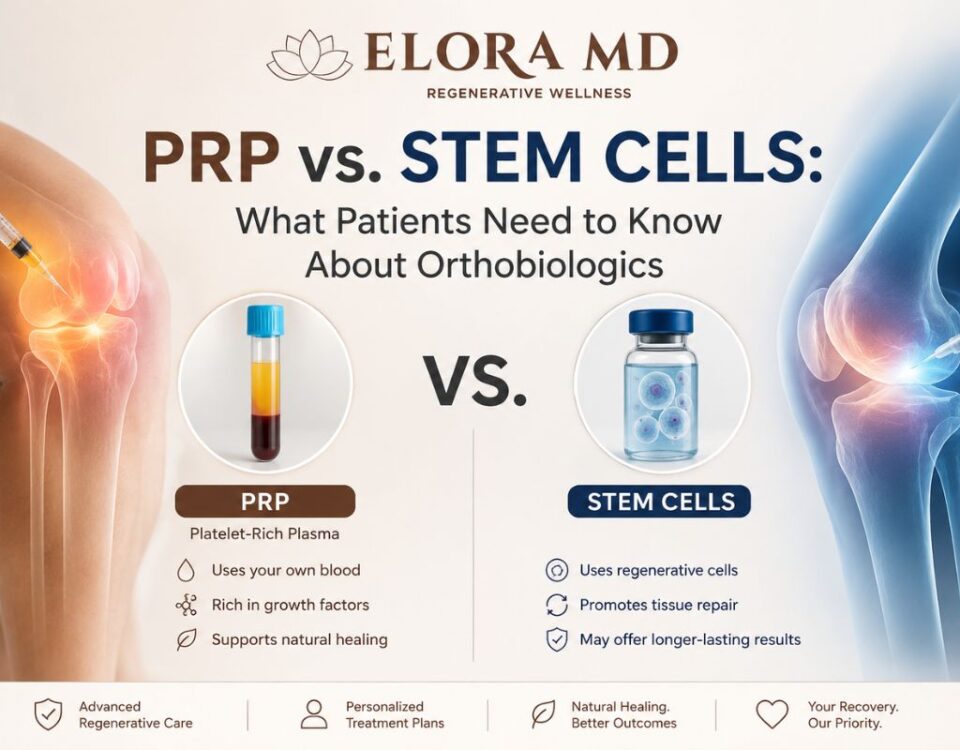
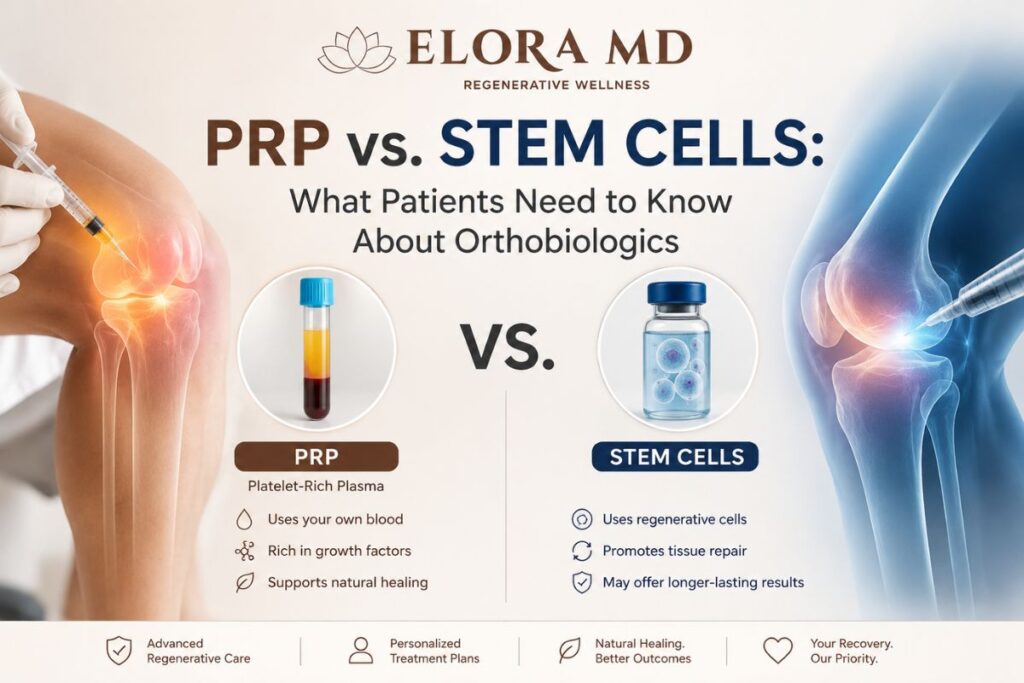
PRP vs. Stem Cells: What Patients Need to Know About Orthobiologics
August 6, 2026
GLP-1 Medications and Muscle Loss: How to Preserve Lean Mass During Medical Weight Loss
August 17, 2026
By Dr. Pooja Chopra, MD | Elora MD Regenerative Wellness | Newport Beach, CA | Last medically reviewed: August 2026
Inflammation is a natural and necessary biological process. When you suffer an acute injury or infection, your immune system responds by sending white blood cells and inflammatory chemicals to protect the area and initiate tissue repair [1]. This short-term, acute inflammation is characterized by redness, swelling, warmth, and pain- and it is a vital part of the healing process.
However, when this inflammatory response fails to shut off after the threat is gone, it transitions into chronic, low-grade inflammation. This persistent immune activation can last for months or even years. Instead of healing tissue, chronic inflammation slowly damages healthy cells, degrades joints, and accelerates the biological aging process- a phenomenon scientists now call “inflammaging” [2].
If you are struggling with persistent joint pain, chronic fatigue, or musculoskeletal degeneration, chronic inflammation is likely the silent culprit. At Elora MD Regenerative Wellness in Newport Beach, we specialize in identifying the root causes of systemic inflammation and utilizing advanced regenerative therapies to restore cellular health and longevity.
The Primary Causes of Chronic Inflammation
Chronic inflammation rarely has a single cause; it is typically the result of compounding lifestyle, metabolic, and environmental factors that keep the immune system in a constant state of high alert.
1. The Standard American Diet (SAD)
What you eat directly dictates your body’s inflammatory tone. A diet high in highly processed foods, refined carbohydrates, sugary beverages, and trans fats triggers oxidative stress and systemic inflammation [1]. Conversely, an anti-inflammatory diet rich in omega-3 fatty acids (found in wild-caught fish), antioxidants (berries, leafy greens), and healthy fats (olive oil, nuts) can actively suppress the production of pro-inflammatory cytokines like Interleukin-6 (IL-6) and Tumor Necrosis Factor-alpha (TNF-α).
2. Visceral Adipose Tissue (Excess Belly Fat)
Obesity is no longer viewed simply as a matter of excess weight; adipose (fat) tissue, particularly visceral fat stored around the abdomen, is a highly active endocrine organ. This fat tissue continuously secretes inflammatory markers (adipokines) into the bloodstream [1]. This steady drip of inflammation accelerates joint degeneration (osteoarthritis), drives insulin resistance, and creates a highly hostile environment for tissue healing.
3. Chronic Psychological Stress
The mind and body are intrinsically linked. Chronic psychological stress, whether from work, financial pressure, or poor sleep, keeps cortisol and adrenaline levels artificially elevated. Over time, this chronic stress response dysregulates the immune system, leading to sustained low-grade inflammation.
4. Sedentary Lifestyle
Physical activity is a potent anti-inflammatory tool. Muscle contractions during exercise release myokines, which actively suppress systemic inflammation [1]. A highly sedentary lifestyle removes this protective mechanism, allowing inflammatory markers to accumulate in the bloodstream and contributing to joint stiffness and muscular pain.
5. Poor Sleep Architecture
Deep, restorative sleep is when the body clears out cellular waste and repairs damaged tissues. Chronic insomnia, sleep apnea, or consistently getting less than seven hours of sleep disrupts this repair cycle, leading to elevated levels of C-Reactive Protein (CRP), a primary biomarker of systemic inflammation.
6. Environmental Toxins and Smoking
Exposure to air pollution, heavy metals, industrial chemicals, and particularly tobacco smoke introduces massive amounts of free radicals into the body. Tobacco smoke contains thousands of chemicals that directly damage endothelial cells and trigger aggressive, body-wide inflammatory cascades.
How Chronic Inflammation Destroys Joint Health
There is a direct, measurable link between systemic chronic inflammation and localized chronic pain.
When inflammatory cytokines (like IL-6 and TNF-α) remain elevated in the bloodstream, they infiltrate the synovial fluid that lubricates your joints. Once inside the joint capsule, these chemicals actively degrade cartilage, break down collagen, and sensitize the local pain receptors (nociceptors).
This is why conditions like osteoarthritis, degenerative disc disease, and chronic tendinopathy are rarely just “wear and tear.” They are highly active inflammatory disease processes. If you suffer from chronic knee pain, lower back pain, or persistent tendon issues, addressing the systemic inflammation is just as critical as treating the localized injury.
The Elora MD Approach: Reversing Inflammation for Longevity
At Elora MD Regenerative Wellness, our concierge approach bridges the gap between functional longevity medicine and advanced orthopedic care. We do not just mask the pain with steroid injections- we identify and treat the inflammatory root cause.
1. Inflammatory Biomarker Testing
Before we initiate treatment, we look under the hood. We utilize targeted blood panels to measure your systemic inflammatory burden, including a Comprehensive Metabolic Panel (CMP), Complete Blood Count (CBC), and High-Sensitivity C-Reactive Protein (hs-CRP)- one of the most clinically validated and accessible markers of systemic inflammation [1]. By establishing a baseline, we can objectively track your progress as we optimize your metabolic health and reduce your biological age.
2. Metabolic and Lifestyle Optimization
We work closely with our patients to implement targeted, anti-inflammatory lifestyle protocols. This includes medical weight optimization (including GLP-1 therapy where appropriate), clinical nutritional guidance, and evidence-based oral supplementation including omega-3 fatty acids, magnesium, vitamin D, and curcumin, all of which have demonstrated reductions in CRP, IL-6, and TNF-α in peer-reviewed clinical studies [1]. Our goal is to silence the immune system’s chronic alarm state from the inside out.
3. Regenerative Orthobiologics (PRP and BMAC)
Once the systemic inflammatory burden is managed, we utilize FDA-compliant regenerative therapies to repair the localized joint damage.
- Platelet-Rich Plasma (PRP) delivers a concentrated dose of your own growth factors to the injured tissue. Interestingly, PRP does not just stimulate repair; it actively modulates the local immune response, shifting the joint environment from pro-inflammatory to anti-inflammatory.
- Bone Marrow Aspirate Concentrate (BMAC) utilizes your native mesenchymal stem cells (MSCs) and growth factors. These cells function through paracrine signaling, releasing bioactive molecules that aggressively reduce inflammation and instruct damaged tissues to regenerate.
Frequently Asked Questions (FAQ)
What is “inflammaging”
Inflammaging is the scientific term for the chronic, low-grade inflammation that develops as we get older. It is considered a primary driver of the biological aging process and is linked to joint degeneration, cognitive decline, and cardiovascular disease.
How do I know if I have chronic inflammation?
While symptoms like chronic joint pain, fatigue, brain fog, and weight gain are strong indicators, the only way to know for sure is through advanced blood testing. Markers like hs-CRP and IL-6 provide a clear, objective measure of your systemic inflammation levels.
Can regenerative medicine like PRP cure chronic inflammation?
PRP and BMAC are highly effective at reducing localized inflammation and repairing tissue in a specific joint or tendon. However, to achieve lasting results, these therapies must be combined with lifestyle and metabolic optimization to reduce your systemic (body-wide) chronic inflammation.
Take Control of Your Health and Longevity
Chronic inflammation is a complex, systemic issue, but it is entirely manageable with the right medical guidance. You do not have to accept chronic pain and accelerated aging as an inevitable part of life.
If you are ready to identify your inflammatory triggers and explore advanced regenerative treatments, contact Elora MD Regenerative Wellness today to schedule your comprehensive concierge evaluation.