Is PRP Therapy Right for You? See Its Pain Relief Potential and Natural Healing Power.

Beyond the Quick Fix: Is Platelet-Rich Plasma (PRP) the Future of Pain Management?
May 13, 2026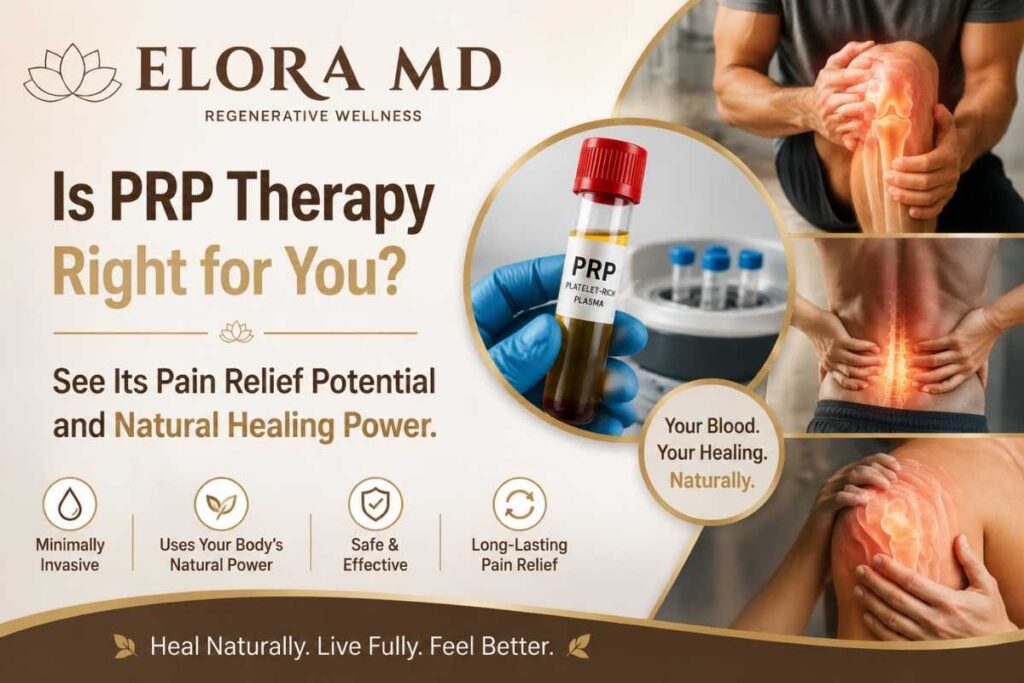
Could the Secret to Chronic Pain Relief Be Flowing Through Your Veins?
Imagine a world where your body’s own defense system is the primary tool for repairing long-standing injuries. Whether you are dealing with a nagging sports injury or the daily stiffness of aging joints, the narrative of pain management is shifting. Platelet-Rich Plasma (PRP) therapy is at the forefront of this change. By drawing a small sample of your own blood and concentrating the platelets, medical professionals can create a powerful “healing serum”. When re-injected into a site of pain, these concentrated growth factors don’t just mask symptoms; they act as a biological catalyst to repair and rebuild damaged tissues from the inside out.
Why is PRP Gaining Attention in Musculoskeletal Medicine?
PRP is increasingly used in orthopedics because it supports healing in conditions where recovery is often prolonged.
- Tendon & Ligament Conditions: It has demonstrated significant benefits for chronic issues like tennis elbow, improving both pain and function.
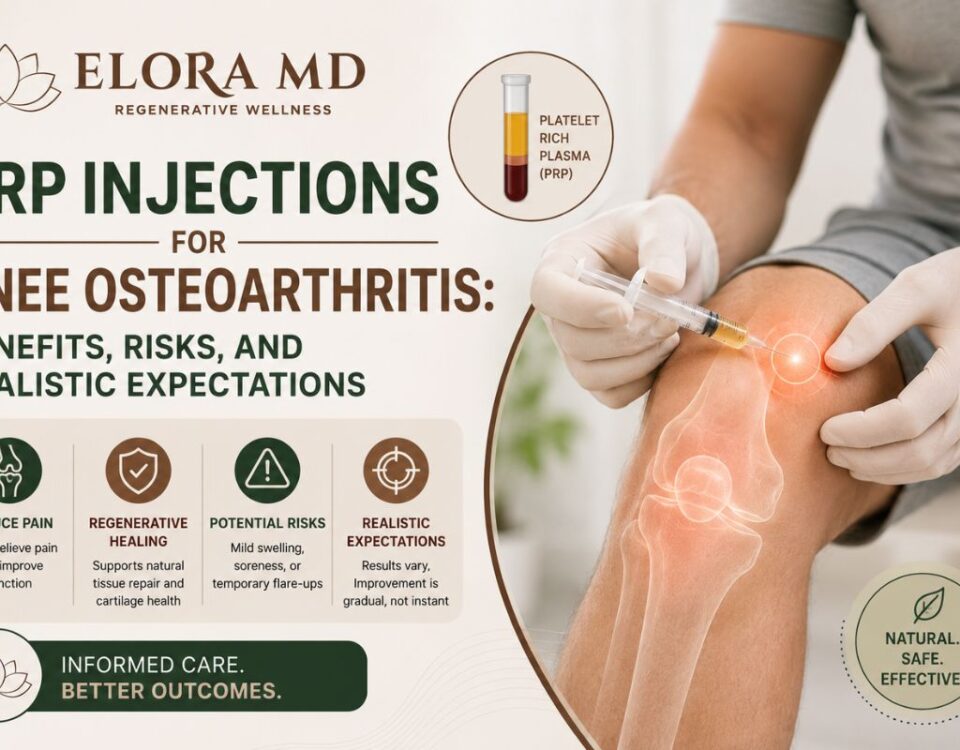
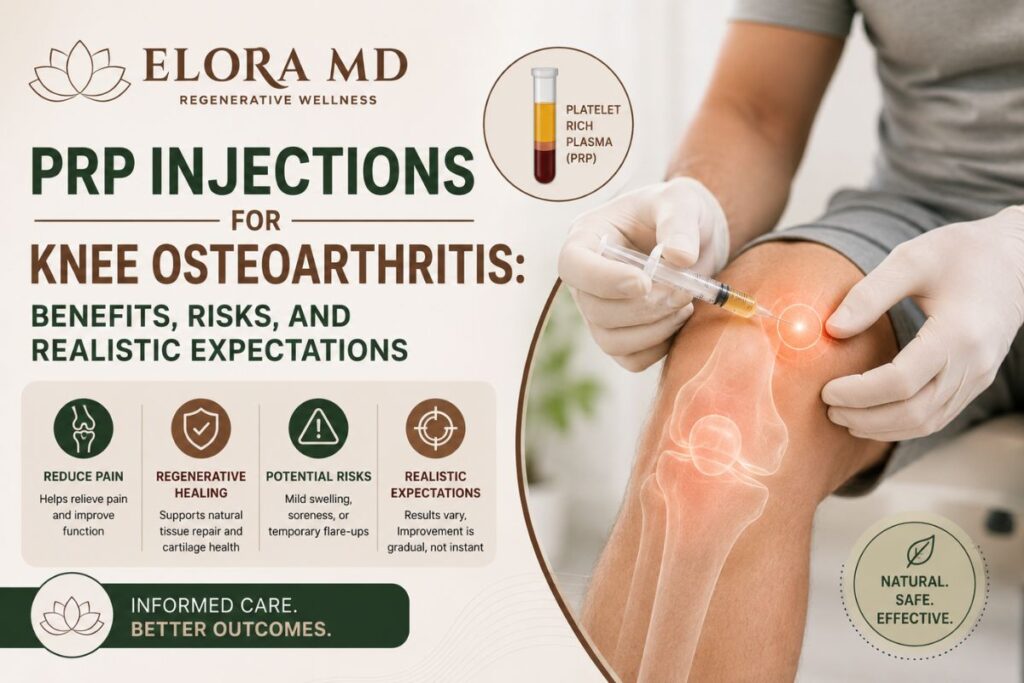
- Osteoarthritis Relief: Studies show PRP can improve knee function and reduce pain in mild to moderate cases of osteoarthritis.
- Spine & Back Pain: Early research suggests potential relief for discogenic or facet-mediated pain.
- Surgical Support: Used as an adjunct in ACL or rotator cuff repairs, it helps improve biological healing markers.
What to Expect During Your PRP Procedure?
The treatment is performed in an outpatient setting with minimal downtime.
- The Experience: You may feel brief pressure or discomfort during the injection, which is often guided by ultrasound for precision.
- Safety Profile: Because PRP uses your own blood (autologous), the risk of allergic reaction is extremely low, though risks such as infection, bleeding, or post-injection pain, while uncommon, can occur.
- Natural Response: Temporary soreness after the procedure is common and reflects the localized inflammatory response needed for repair.
Is PRP the Missing Strategic Piece in Your Recovery Journey?
PRP is more than just a trending treatment; it is a scientifically-backed solution for various types of pain. It is particularly effective for those who want to avoid the risks associated with surgery or long-term reliance on pain medications.
- Nerve Pain Relief: Beyond muscles and joints, PRP is being explored for nerve-related pain like sciatica, where growth factors help repair damaged nerve pathways.
- Regenerative Power: A fascinating study in the Journal of Orthopaedic Surgery and Research highlights that PRP actually encourages the body to generate new healthy tissue rather than just repairing the old.
- Complementary Care: While powerful, PRP works best as part of a holistic plan, often combined with physical therapy or lifestyle adjustments.
By harnessing your body’s natural capabilities, PRP provides a long-term, non-invasive solution that addresses the root cause of pain rather than just the symptoms.
If you are ready to stop managing pain and start your journey toward true regeneration, don’t wait any longer. Contact us today to schedule your personalized consultation and discover if Platelet-Rich Plasma therapy is the missing piece in your recovery plan!